#Borderlands area

Borderlands: Where and why?

Introduction
Introduction

In the borderlands - so where and why?

Finland has often been described as the borderland between East and West, and Karelia as its frontline.

Ruokolahti Ratjärvi Parikkala

The geographical tip of present-day South Karelia, Ruokolahti, Rautjärvi and Parikkala, form a region here where we truly find ourselves on multiple borders. Temporally, geographically and culturally.

Between Saimaa and Ladoga

Visible frames

Nature has delimited the area, setting frames that are still visible.

Salpausselät Lajisto

Most of the land area of the municipalities falls between Salpausselki. If we broaden the perspective even further, we are between two large lake areas, Saimaa and Ladoga. Saimaa is most present in the western part of Ruokolahti, where the vast waters and archipelago gradually give way to the forest land of smaller lakes in the east. Ladoga affects the climate of the Parikkala region and the occurrence of species such as hazel grouse, hornet and wild boar.

Ancient times
Ancient times

Stone Age settlement

Humans moved in these waterways thousands of years ago.

Simpelejärvi Pyhämäki

For example, there are about 50 Stone Age settlements around Simpelejärvi. In ancient times, it was part of the nature of borderlands to draw the boundary of the living area to a favorable shore, to the water's edge. Pyhämäki on Saarella, which represents one of the oldest place names, refers to the original meaning of the word pyhä, which was used to mark a boundary, which was a mark of a recreational area during the wilderness period.

History
History

From Pähkinäsaari onwards

The borderland area is the core area of Finland's oldest state borders.

Torsanjärvi

The border of the Peace of Pähkinäsaari (1323) ran through Rautjärvi via Torsanjärvi to Särkilahti in Punkaharju. It is suspected that it was already the border between the western and eastern parts of Karelia. Since then, several Swedish and Russian borders have crossed the area. Border markings from the Peace of Täyssinä (1595) and the Peace of Uusikaupunki (1721) can still be found in the terrain.

Tradition
Tradition

Religion and language and cultural boundaries

There have also long been cultural boundaries here in terms of religion and language.

Karelianism Savolianism

Due to the old Swedish influence, Lutheranism eventually became dominant, but Orthodoxy has also had its place in some places to this day. The Karelian dialect base was supplemented by Savo dialects. The same applies to the rich culinary tradition. Here is a recipe if you are not sure: make a rooster or a pie!

1940s
1940s

War, territorial changes and broken connections

The Winter and Continuation Wars demarcated the region in a completely new way in the 1940s.

Viipuri Sortavala Winter War Jatkosota

All municipalities lost parts of their territories to the Soviet Union. Old connections to Vyborg and, on the other hand, to Ladoga centers such as Käkisalmi and Sortavala were severed. Border control brought new work, and on the other hand, border traffic and border crossing points provided mobility, but the direction of development in the northern part of South Karelia changed permanently.

Now
Now

Population and settlement - what now?

The rural area's decline has affected the population.

13,000 inhabitants

The total population of the Parikkala, Rautjärvi and Ruokolahti areas is still almost 13,000. Internal divisions have developed, as Rautjärvi and especially Ruokolahti have begun to move towards the Imatra region, Parikkala partly towards Savonlinna, and the tip of Uukuniemi even towards North Karelia.

Future
Future

New challenges, the Iron Curtain and survival

We are now facing a new challenge together in the border countries.

Border security Etätyö

The Iron Curtain has descended on Finland's eastern border again. Regional economic survival methods include strengthening border security, improving telecommunications connections, increasing remote work opportunities and increasing domestic and European tourism. The traditional, albeit always contradictory, connection to Russia has been closed for a long time. Open questions include the balance between the aging and new population, the economic structure and local immigration.

Tourism
Tourism

Rajamailla.fi Tourism Portal and Hiitolanjoki

The portal is a new two-way window into the future.

Lohi Accessibility

The local significance of tourism is only just taking shape, but the seeds for the rise of companies are there. The presentation of historical and current borders is still waiting to be commercialized, but there is already something ordinary and extraordinary on offer. With its restored free rapids, the Hiitolanjoki River is developing into a border river for wild salmon and trout rising from Lake Ladoga, water hiking and museum-quality hydroelectric power. Its unparalleled roaring waters are now also accessible without barriers, whether with a stroller, a rollator or a wheelchair.

Find
Find

A region of opportunity - draw your own boundaries

Our region is one of the old centers of historical transit traffic. Now the Kuutostie road crosses our municipalities, connecting the southern frontlands with the northern wildernesses.

Papinniemi Savonlinna Kuutostie

A diverse cottage on Simpelejärvi, sunny beaches with services on Papinniemi in Pyhäjärvi, an unforgettable winter day of ice skating on Punkaharju or year-round cultural experiences in the opera city of Savonlinna are opportunities for which our location provides excellent conditions.

Our area is one of the old centers of historical transit traffic from Lake Ladoga to Lake Saimaa. Now the six-lane road crosses our municipalities, connecting the southern frontlands with the northern wildernesses.

In the borderlands, you have come to the borders that have always been drawn and drawn here. Draw yours too.
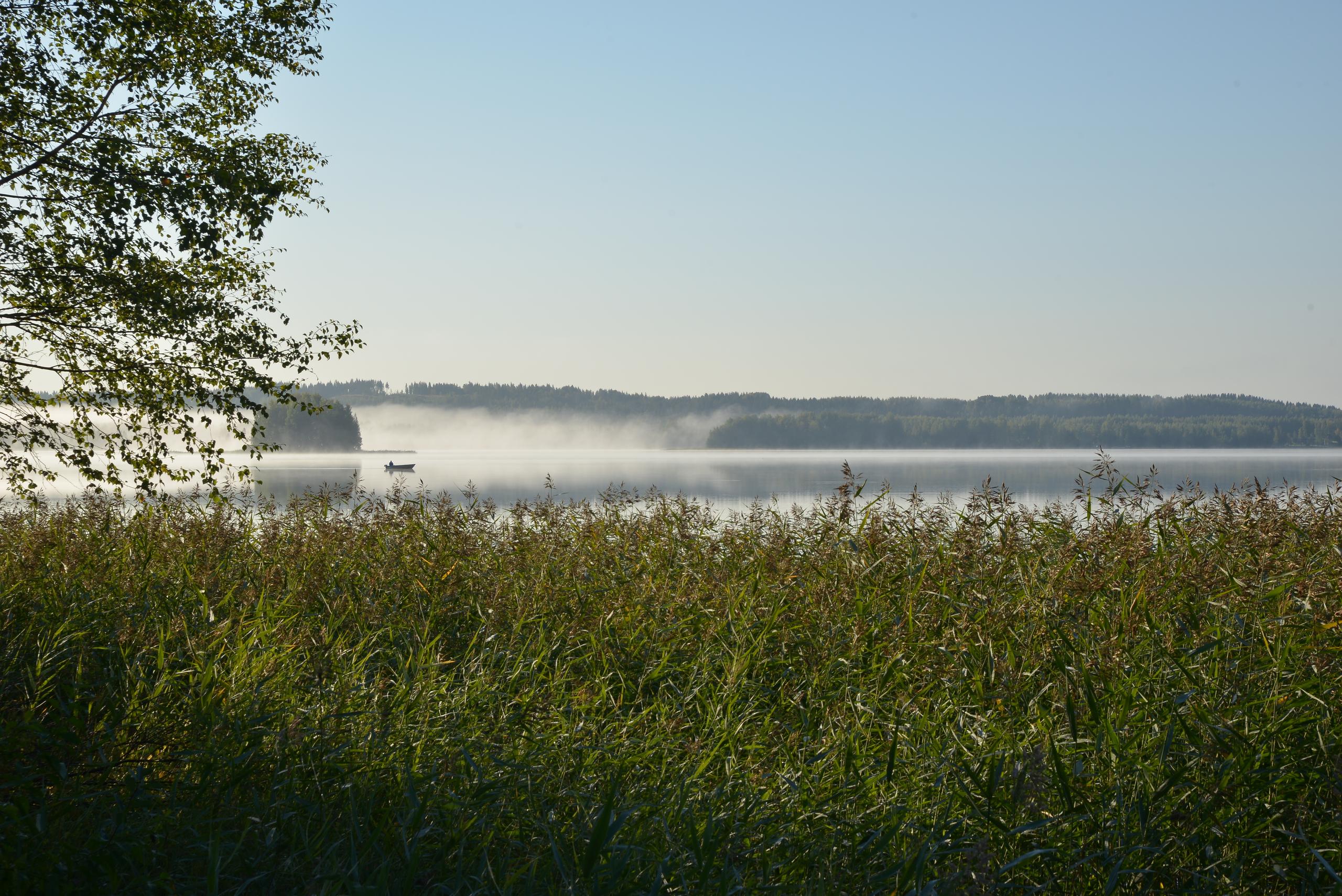
Finland has often been described as a borderland between East and West and Karelia as its forefront. The geographical tip of present-day South Karelia, Ruokolahti, Rautjärvi and Parikkala, form a region here that is truly bordered in time, geography and culture.

Nature has delimited the area, setting still visible frames for it. Most of the municipal land is between the areas of Salpausselkä. Expanding the perspective, we are between two large lake areas, Lake Saimaa and Lake Ladoga. Saimaa is most present in the western part of Ruokolahti, where extensive waters and the archipelago gradually turn into forest land in smaller lakes in the east. The lake Ladoga affects the Parikkala region both in terms of climate and in terms of species, such as the walnut bush, the wasp or the wild boar.

Man moved in these waters thousands of years ago: for example, there are about 50 Stone Age settlements around Lake Simpelejärvi. It was the nature of the frontier lands long ago to draw the boundary of a habitat on a favorable shore to the waterline. Representing the oldest place names, Pyhämäki, island,  in the original sense of the word pyhä also refers to the boundary, which was the marking of the enjoyment area of ​​the wilderness period.

The border area is also the core area of ​​Finland's oldest state borders. The border of peace on Pähkinäsaari (1323) ran in Rautjärvi through Lake Torsanjärvi to Särkilahti in Punkaharju. It is suspected to have already been the border of the western and eastern parts of Karelia. Since then, several Swedish-Russian borders have crossed the area. The border breaches of Täyssina (1595) and Uusikaupunki (1721) can still be found in the terrain.

There have also long been cultural boundaries here in terms of religion and language. Although Lutheranism eventually became predominant under the old influence of Sweden, Orthodoxy has also had its place in these days. The Karelian dialect, on the other hand, has been supplemented by Savoans.

The Winter and Continuation Wars demarcated the area in a completely new way in the 1940s. All municipalities lost parts of their territories to the Soviet Union. Old connections to Vyborg and, on the other hand, to Ladoga centers such as Käkisalmi and Sortavala were broken. Border control brought new work, on the one hand, border traffic and border crossing mobility, but the trend in the northern part of South Karelia changed permanently.

How about now? The long-lasting slowdown in the countryside has had a negative effect on the population, which is still close to 13,000 in the Parikkala, Rautjärvi and Ruokolahti areas. The internal division has also developed when Rautjärvi and especially Ruokolahti have started to focus on the Imatra region and Parikkala partly on Savonlinna, in Uukuniemi on the Kesälahti direction.

The border countries are now facing a new age together, as elsewhere in Finland. The development of telecommunications connections, remote working, increasing domestic tourism and attempts to make more diverse use of Russia's proximity are regional economic means of survival. Open issues include the balance between the aging and new population, the economic structure and local immigration.

The Borderlands tourism portal is one new two-way window to the future of this distinctive region. The local importance of tourism is still taking shape, but new seeds for the gradual rise of accommodation and program service companies exist. These include the opening of the Parikkala border crossing point and the Hiitolanjoki as a Finnish-Russian border river. Savonlinna and the connection to Lake Saimaa are also opportunities that history provides. The area is one of the old centers of historical transit traffic from Ladoga to Lake Saimaa.

In the borderlands, you have come to the borders that have always been drawn and drawn here. Draw yours too.